For a long time, aging was treated as a simple fact of life—something that happened gradually and inevitably, beyond meaningful intervention. Over the last two decades, that view has shifted. Scientists now understand aging as a biological process shaped by cellular stress, inflammation, and the environments in which our cells operate.
One concept that has gained particular attention is cellular senescence. These are cells that have stopped dividing but refuse to die. Instead, they linger—altering surrounding tissue, releasing inflammatory signals, and quietly contributing to many of the conditions we associate with aging.
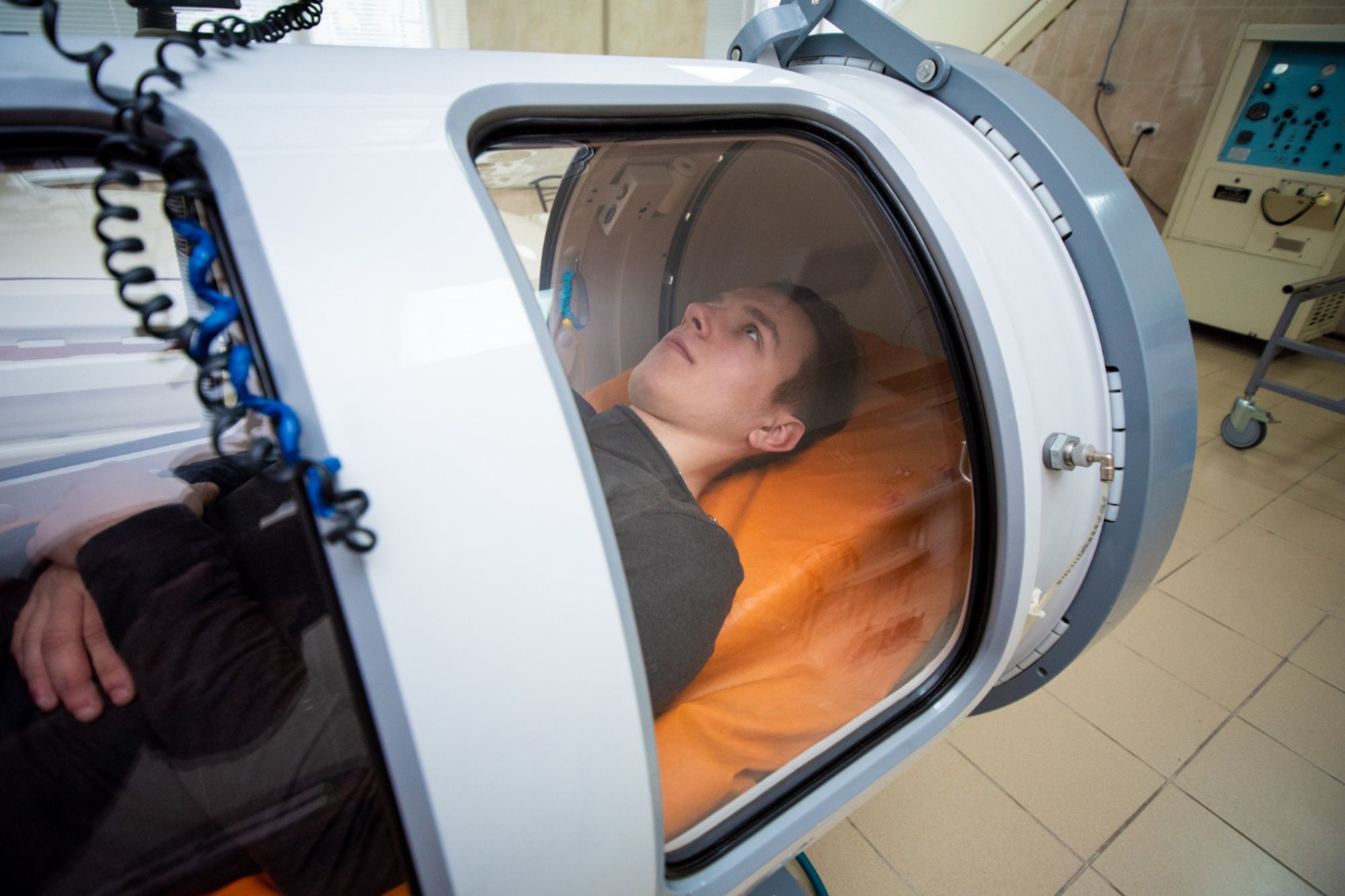
As researchers search for ways to influence this process, interest has expanded beyond pharmaceuticals into therapies that affect the body more broadly. Among them is hyperbaric oxygen therapy (HBOT). Traditionally used for wound healing and radiation injury, HBOT is now being explored in entirely new contexts—including its possible relationship to cellular aging.
This article does not argue that HBOT reverses aging. It doesn’t. What it does explore is a more nuanced question: can oxygen pressure influence the cellular conditions that allow aging processes—like senescence—to take hold?
Cellular senescence occurs when a cell experiences enough stress or damage that continuing to divide would be risky. This can happen due to DNA damage, shortened telomeres, oxidative stress, or repeated replication over time.
From an evolutionary perspective, senescence is protective. A damaged cell that stops dividing is less likely to become cancerous. The problem is what happens next.
Senescent cells don’t quietly exit the stage. They remain metabolically active and begin releasing a mix of inflammatory molecules, enzymes, and signaling compounds—a phenomenon known as the senescence-associated secretory phenotype, or SASP. Over time, these secretions disrupt tissue structure, impair regeneration, and promote chronic inflammation.
Research[1][2] has linked the accumulation of senescent cells to conditions such as cardiovascular disease, osteoarthritis, neurodegeneration, and metabolic dysfunction. In animal models, selectively reducing senescent cells improves tissue function and extends healthspan—strong evidence that senescence is not just a byproduct of aging, but one of its drivers.
Oxygen is often discussed as a basic requirement for survival, but at the cellular level, it plays a far more dynamic role. Oxygen availability influences how cells generate energy, repair damage, and communicate with one another.
Cells are remarkably sensitive to oxygen levels. Too little oxygen (hypoxia) disrupts mitochondrial function and energy production. Too much, uncontrolled oxygen can increase oxidative stress. The key is balance—and context.
Importantly, oxygen also acts as a signaling molecule. Shifts in oxygen tension activate pathways that regulate inflammation, blood vessel growth, and cellular stress responses. These same pathways intersect with many mechanisms involved in aging and senescence.
This is where hyperbaric oxygen therapy becomes interesting.
Hyperbaric oxygen therapy is not simply “breathing more oxygen.” Under pressure, oxygen dissolves directly into the plasma at concentrations that cannot be achieved at normal atmospheric pressure. This allows oxygen to reach tissues with limited blood flow and alters oxygen gradients throughout the body.
Clinically[3], this mechanism explains why HBOT is effective for non-healing wounds, radiation injuries, and carbon monoxide poisoning. But those same physiological effects—improved oxygen diffusion, reduced edema, altered inflammatory signaling—also raise questions about how cells respond over time to repeated, controlled hyperoxia.
A common criticism of HBOT is that increased oxygen must automatically mean increased oxidative damage. That assumption makes intuitive sense—but biology rarely works in straight lines.
Short, controlled exposures to stress can trigger adaptive responses. This concept, known as hormesis, is well established in exercise physiology, caloric restriction research, and increasingly, oxygen biology.
Several studies[4] have shown that HBOT can upregulate the body’s own antioxidant defenses. Instead of overwhelming cells with free radicals, controlled hyperoxic exposure may prompt cells to strengthen their protective systems.
In this way, HBOT appears to act less like a blunt oxidative force and more like a controlled stimulus that encourages cellular adaptation.
One of the primary triggers of cellular senescence is unresolved DNA damage. Repairing DNA is an energy-intensive process, requiring adequate ATP and functional mitochondria.
Oxygen availability directly affects mitochondrial efficiency. When tissues are chronically under-oxygenated—due to vascular disease, inflammation, or aging itself—repair mechanisms can falter.
While HBOT has not been shown to directly prevent senescence, it may support the conditions required for efficient repair by improving oxygen delivery and cellular metabolism. This is an indirect relationship, but an important one.
At present, this area remains under-researched. Still, the biological plausibility is strong enough to justify further investigation.
Telomeres—the protective caps at the ends of chromosomes—shorten as cells divide. When they become too short, the cell either enters senescence or undergoes apoptosis. Telomere shortening is therefore considered a hallmark of aging.
In 2020, a small but widely discussed study[5] reported increased telomere length and reduced markers of cellular senescence in immune cells following a structured HBOT protocol in older adults.
The findings were intriguing, but they also raised important questions. The study involved a limited number of participants, focused on specific cell types, and did not establish long-term outcomes. Even the authors emphasized the preliminary nature of the results.
Still, the study helped legitimize broader conversations about oxygen exposure and aging biology.
Senescent cells thrive in inflammatory environments—and contribute to creating them. This feedback loop is one reason aging tissues struggle to regenerate.
HBOT has demonstrated anti-inflammatory effects in a range of clinical and experimental settings[6]. Reduced inflammatory signaling, improved microcirculation, and modulation of immune cell behavior have all been observed.
Rather than targeting senescent cells directly, HBOT may influence the environment in which these cells accumulate. That distinction matters. Supporting healthier tissue conditions may slow the cascade that leads to widespread dysfunction.
It’s important to draw clear boundaries.
HBOT is not a senolytic therapy. It does not selectively eliminate senescent cells. It has not been proven to reverse aging or extend lifespan.
What it may do—based on current evidence—is support cellular environments that favor repair, reduce chronic inflammation, and improve oxygen-dependent processes that decline with age.
That makes HBOT a potential adjunct in longevity research, not a standalone solution.
As aging research evolves, the focus is shifting away from single-target interventions and toward systems-level support: mitochondrial health, tissue oxygenation, vascular function, and inflammatory balance.
HBOT intersects with many of these areas, which explains growing interest from researchers studying neurological aging, cognitive decline, and regenerative medicine.
However, meaningful progress will require larger, long-term studies that explore optimal dosing, safety, and tissue-specific effects. Until then, enthusiasm should remain grounded in evidence.
Cellular senescence is one of the most important—and complex—drivers of aging. Oxygen biology plays a quiet but central role in many of the processes that determine how cells age, repair, and adapt.
Hyperbaric oxygen therapy sits at an interesting crossroads of these ideas. While it is not an anti-aging cure, emerging research suggests it may influence biological conditions that matter deeply to aging science.
For now, HBOT belongs in a category best described as supportive, exploratory, and evolving—a therapy worth studying carefully, not overselling prematurely.

To get started, please share your name, phone number, and email, and we'll be ready to assist you!
Powerdby B3NET.com
